


Faqs / Blog

Frequently Asked Questions (FAQs)

We cater to a wide range of developmental stages, from pre-junior-aged students to senior students, ages 3 to 16 years old.

Yes, we provide Occupational Therapy, Speech, Drama and Language support, ABA Therapy, Educational Therapy, Music and Movement activities, and other therapeutic interventions integrated into our half-day and full-day programmes. Please see our Programmes page.

Both. Our environment is designed to be inclusive and sensory-friendly, and our programmes provide individualised support plans and lesson plans to cater to diverse learning and developmental needs.

Yes. Our team includes qualified educators, therapists, psychologists, life coaches, and support staff - each trained in various and multiple areas of child development, special education, and behavioural strategies.

Our centre includes air purifiers, secure entry and exit procedures, First Aid equipment, fire safety systems, and sanitisation facilities in all key areas.

Our daily routine balances structured learning, therapy sessions, creative activities, and breaks for rest or sensory regulation - tailored to each child’s needs. Please see our Programmes page for details.

We do not provide meals or snacks. Families are encouraged to pack breakfast, lunch, and/or snacks based on their child's dietary needs. Our teachers can assist with feeding when necessary (e.g. for students who are unable to grip utensils or self-feed).

We maintain a low student-to-staff ratio, not exceeding 5 students per teacher, to ensure individual attention, safety, and effective support during all activities.

Yes, absolutely. We actively encourage family involvement through our parent support group and regular invitations to events and celebrations. Parents also receive private, live daily updates via our app, including photos and summaries of what their child has been learning throughout the day. We also hold termly progress meetings and maintain open daily communication.

To ensure a consistent and supportive environment for all students - especially those with specific needs, abilities, and triggers - we do not encourage parents to sit in on classroom sessions.

We use a combination of observational data, assessments, case management, and team discussions - including our own internal and external research initiatives - to monitor and support each child’s development.

Blog

Science & Discovery: Encouraging Young Explorers

Introduction Why is the sky blue? How do plants grow? What makes a toy car move faster on a ramp? If you’ve ever heard your child ask endless “why” questions, you’ve seen science in action. Children are natural scientists—constantly observing, experimenting, and seeking to understand the

Read More


Children participating in social and emotional development activities in a classroom

Social & Emotional Development: Growing Hearts and Minds

Introduction Social and Emotional Development is essential for helping children understand their emotions, build positive relationships, and develop confidence. In Singapore, schools and communities actively promote social and emotional development through structured programs, character education, and well-being initiatives that support children’s overall growth. Every parent knows

Read More
Math for kids learning activity

Mathematics: From Counting to Critical Thinking

Introduction Math for kids is much more than numbers on a worksheet. For many parents, mathematics brings back memories of drills and memorization, but for children math is the language of patterns, problem-solving, and logical thinking. Every time a child sorts blocks by color, shares snacks

Read More
Language & Communication: The Foundation of Expression

Language & Communication: The Foundation of Expression

Introduction Language and Communication Development begins in everyday moments—like when a child excitedly points at a bird and proudly says, “Look, bird flying!” These small milestones reflect how children learn to share ideas, emotions, and discoveries with the world around them. Language and communication are more

Read More
blog image

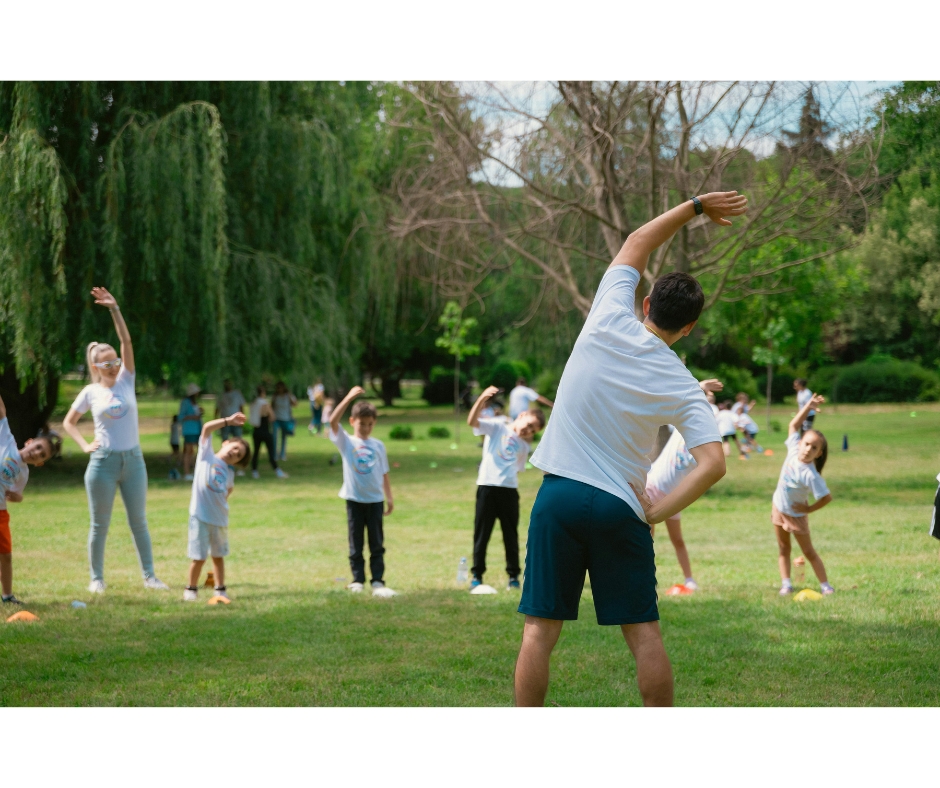
Physical Education & Motor Skills: Building Strong Bodies for Curious Minds

Introduction Have you ever noticed how a child’s eyes light up when they master a new movement—whether it’s balancing on one foot, catching a ball, or learning to tie their shoelaces? These seemingly simple milestones are far more than play. They form the foundation of a

Read More

The Importance of Early Intervention for Children with Global Developmental Delay and Autism

Early Intervention for children in Singapore plays a crucial role in supporting young learners who experience developmental delays or Autism Spectrum Disorder (ASD). For parents, caregivers, and educators, witnessing a child struggle with developmental milestones can be challenging. However, with timely early intervention support in Singapore,

Read More