




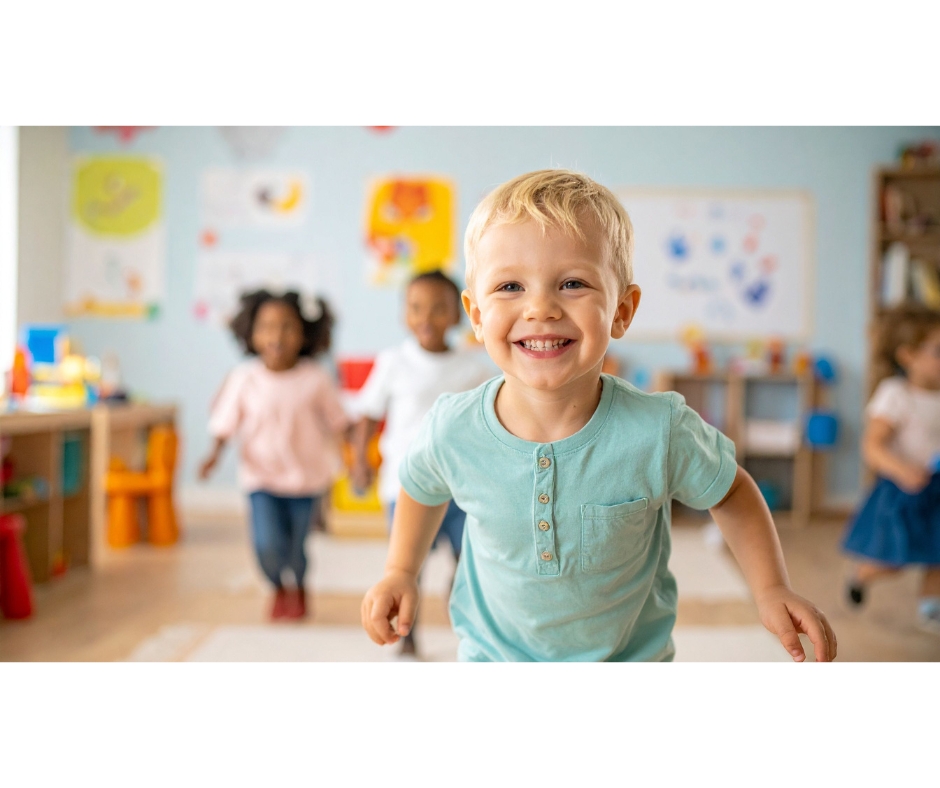
Introduction to Play-Based vs Traditional Learning
For generations, education was often defined by quiet classrooms, repetitive worksheets, and rote memorization. However, when evaluating Play-Based vs Traditional Learning, research shows that active exploration yields far better developmental outcomes. Children are naturally curious, active learners who understand the world best when engaged in hands-on activities.
At Global Einstein Institute (GEI), an inclusive learning environment and leading autism school in Singapore, we believe learning should spark joy, curiosity, and discovery. That is why we embrace purposeful play-based learning—a structured approach blending academic goals with hands-on experiences.
Understanding Play-Based vs Traditional Learning Differences
To understand why modern pedagogy is shifting, it helps to examine how these two models function in practice:
What Is Traditional Learning?
Traditional learning typically relies on:
- Teacher-centered instruction
- Worksheets and rote memorization
- Sitting quietly for extended periods
- One-size-fits-all activities
- Focusing on final test results rather than the learning process
While this approach may build basic recall, it often limits creativity, critical thinking, and adaptive problem-solving.
What Is Play-Based Learning?
Play-based learning is intentional and guided by educators to achieve learning goals through meaningful experiences. It includes:
- Hands-on exploration and trial
- Role-play and imaginative scenarios
- Building, designing, and spatial creation
- Active movement and experimentation
- Inquiry-driven investigation
Children learn best when they are active, curious, and emotionally connected to what they are doing. For research on early childhood developmental standards, explore resources from the Ministry of Education Singapore.
Why Play-Based Learning Outperforms Traditional Models
Play supports multiple developmental domains simultaneously:
- Cognitive: Enhances problem-solving, memory retention, and creative thinking.
- Language: Encourages active conversations, storytelling, and vocabulary growth.
- Social: Promotes sharing, teamwork, and constructive conflict resolution.
- Emotional: Builds self-confidence, emotional regulation, and resilience.
- Physical: Strengthens fine and gross motor skills alongside spatial awareness.
Practical GEI Play Examples
At GEI, play is not unstructured chaos—it is carefully designed to teach:
- Pretend Restaurant: Children practice reading menus (literacy), counting money (math), and taking turns (social skills).
- Building Blocks: Learners discover concepts of balance and symmetry (STEM), trial and error (critical thinking), and teamwork (communication).
- Outdoor Games: Physical movement strengthens motor skills, while organized rules build patience and self-control.
GEI’s Purposeful Approach
Our structured approach ensures play leads directly to academic and personal growth:
- Clear Learning Outcomes: Educators design activities around targeted academic goals.
- Teacher as Facilitator: Instructors ask open-ended questions (e.g., “What do you think happens next?”) to encourage critical reasoning.
- Blending Academics with Play: Subjects like math, science, and literacy are integrated into interactive games.
- Child-Led Inquiry: Tailoring activities around child interest drastically increases engagement.
- Safe Environment for Risk-Taking: Encourages trial and error without fear of failure, building long-term resilience.