



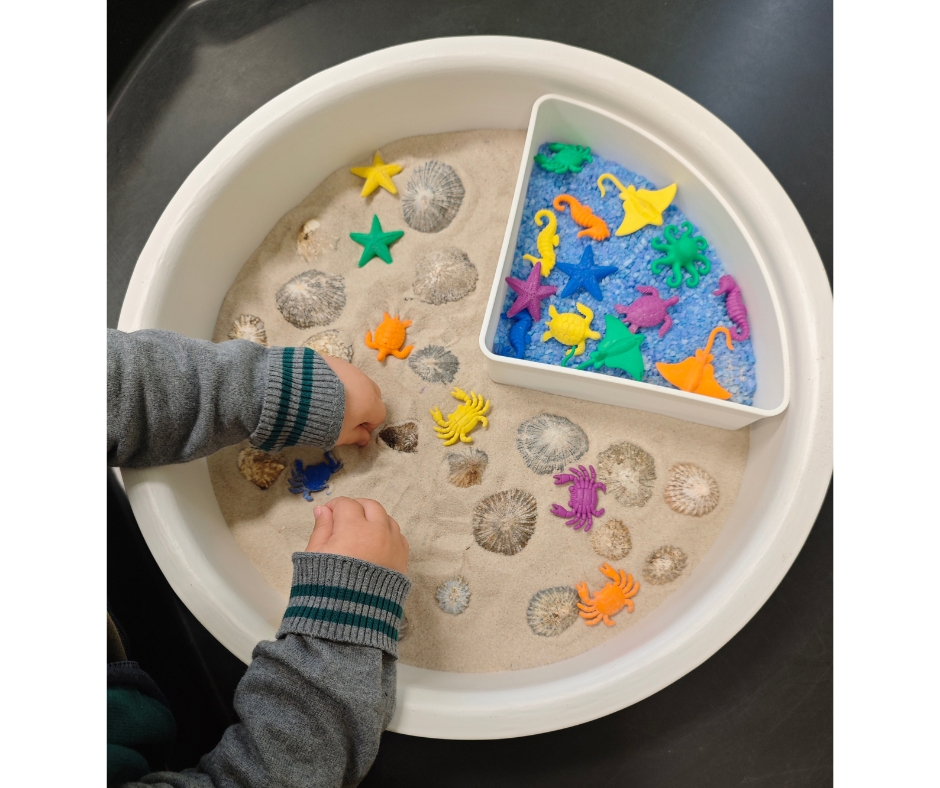
Introduction to Sensory Processing Challenges
Sensory Processing Challenges can affect how children respond to everyday sounds, lights, textures, smells, tastes, and movement. Some children may find ordinary sounds overwhelming, struggle with bright lights, or avoid certain textures. Others may seek additional sensory input by jumping, touching objects, spinning, or making noises. Understanding these sensory processing challenges can help parents and educators identify practical ways to support children’s comfort, learning, and participation.
These differences may occur in children with autism, ADHD, global developmental delay (GDD), anxiety, or other developmental differences. Some children experience sensory processing difficulties without a specific diagnosis. Sensory-related behaviours vary from child to child, so it is important to understand each child’s individual preferences and support needs rather than making assumptions.
At Global Einstein Institute (GEI), we recognise that sensory-related behaviour may communicate discomfort, a need for movement, or a preference for a more predictable environment. We aim to provide supportive learning spaces, individualised strategies, and predictable routines that help children participate in learning more comfortably.
Understanding the Sensory Systems
Sensory processing describes how the brain receives, organises, and responds to information from the senses. Sensory processing challenges may influence how a child experiences particular environments, activities, and everyday routines. Understanding these responses can help families recognise what a child may find comfortable, distracting, or overwhelming.
- Sight: Responding to brightness, colours, and visual movement.
- Sound: Responding to loud noises, background conversations, or sudden sounds.
- Touch: Responding to clothing, textures, physical contact, or different materials.
- Smell: Responding strongly to perfumes, food smells, or other odours.
- Taste: Responding to food flavours, textures, and temperatures.
- Movement (vestibular): Processing movement, balance, and changes in body position.
- Body awareness (proprioception): Understanding where the body is and how much force to use during movement.
Children can respond to sensory information in different ways. Some common patterns include:
- Sensory avoiders: Children who may feel overwhelmed by noise, touch, crowds, or bright lights.
- Sensory seekers: Children who may seek movement, pressure, sound, or other forms of sensory input.
- Mixed responders: Children who may avoid certain sensory experiences while actively seeking others.
There is no one-size-fits-all approach to sensory processing challenges. Every child’s preferences and responses are different, so support should be adapted to individual needs, comfort, safety, and developmental goals.
Effects on Daily Learning
Sensory processing challenges can influence how children participate in classroom activities, social interactions, and everyday routines. Depending on the child and situation, they may:
- Cover their ears or avoid noisy environments.
- Dislike particular clothing, food textures, or materials.
- Find it difficult to maintain attention in distracting environments.
- Fidget, chew on appropriate or inappropriate objects, or seek frequent movement.
- Become distressed in busy, unfamiliar, or unpredictable situations.
- Feel tired or withdraw after experiencing overwhelming sensory input.
These responses should be understood in context rather than automatically treated as misbehaviour. For example, a child who covers their ears may be trying to cope with overwhelming noise. A child who frequently moves may benefit from suitable opportunities to move between learning tasks.
At GEI, we aim to create learning environments that are calm, predictable, and supportive. By recognising sensory differences and individual preferences, educators can explore practical adjustments that may help children feel more comfortable and participate in learning activities.
How GEI Supports Children
Supporting children with sensory processing challenges begins with understanding their individual responses and identifying which adjustments may help. At GEI, strategies can be adapted to each child’s needs, preferences, and circumstances.
1. Sensory-Friendly Classrooms
A thoughtfully organised classroom may help reduce unnecessary distractions and make learning more comfortable. Depending on the child’s preferences, useful adjustments may include:
- Comfortable lighting that avoids unnecessary glare.
- Organised, clutter-free learning areas.
- Reduced visual distractions where appropriate.
- Clearly defined spaces for different activities.
- A quiet area where children can take a break when needed.
A predictable and comfortable environment may help some children manage distractions and engage with activities. Sensory preferences vary, however, so adjustments should be based on individual responses rather than a single standard approach.
2. Helpful Tools and Individualised Supports
Some children benefit from tools or supports that help them participate more comfortably in daily activities. Depending on individual needs, possible options include:
- Fidget toys for appropriate hand activity.
- Noise-reducing headphones for particularly noisy environments.
- Chewable sensory items designed for safe use and appropriate supervision.
- Therapy balls or wobble cushions, where suitable.
- Visual timers and schedules to make routines more predictable.
- Other sensory supports recommended by a qualified professional.
Tools should be selected according to the child’s needs, safety, and comfort. Weighted products and other specialised sensory equipment should only be considered with appropriate professional guidance. The aim is to support participation and regulation without punishment or judgement.
3. Movement and Activity Breaks
Some children find it easier to participate in learning when they have regular opportunities to move. Short, suitable movement breaks can provide a change of activity and give children an opportunity to return to learning tasks when they feel ready.
- Simple stretching activities.
- Movement games in a safe space.
- Wall push-ups or other suitable movement activities.
- Short breaks between learning tasks.
- Outdoor play and age-appropriate gross motor activities.
Movement activities should be adapted to each child’s physical abilities, preferences, and safety. Educators can observe how children respond and adjust the type or timing of activities accordingly.
4. Working with Occupational Therapists
Occupational therapists can help assess how sensory responses affect a child’s everyday activities and participation. They may recommend individual strategies that families, educators, and other professionals can use consistently across appropriate settings.
When families and professionals work together, they can share observations, identify helpful adjustments, and review progress over time. Recommendations should be based on the child’s needs and professional assessment rather than assumed to be suitable for every child.
5. Visual Structure and Routines
Unexpected changes can be difficult for some children, particularly when their surroundings already feel overwhelming. Visual supports and predictable routines can make everyday activities easier to understand and may help children prepare for transitions.
- Picture schedules showing the day’s activities.
- First-Then boards explaining what happens next.
- Clear transitions between tasks.
- Advance warnings before changes whenever possible.
- Simple instructions supported by pictures or demonstrations.
These strategies can help children anticipate what comes next. Over time, appropriate visual supports may also encourage confidence and greater independence in everyday routines.
6. Developing Self-Regulation Skills
Supporting children involves more than adjusting the environment. Children can also be encouraged to recognise their responses and communicate what helps them feel comfortable.
- Recognising when a sound, texture, or activity feels overwhelming.
- Learning to ask for a break or help.
- Choosing from suitable calming activities.
- Identifying when movement or a quieter space may help.
- Communicating sensory preferences to trusted adults.
For example, an adult might ask, “Would a quiet space or a short break help you right now?” This approach encourages children to recognise their needs and practise expressing them. Support should remain flexible because a strategy that helps one child may not help another.
GEI’s 10 Developmental Domains
Sensory support can connect with many areas of learning and development. At GEI, our 10 developmental domains provide a framework for considering children’s broader learning, individual strengths, and participation.
- Sensory Processing Domain: Recognising and responding to individual sensory preferences.
- Motor Skills: Developing movement, balance, and coordination.
- Social-Emotional Domain: Supporting emotional awareness and responses to overwhelming situations.
- Communication Domain: Helping children express their sensory needs and preferences.
- Adaptive and Daily Living: Supporting participation in routines involving clothing, textures, sounds, and everyday tasks.
- Cognitive Domain: Exploring environmental adjustments that may support attention and learning.
- Interactive Learning: Encouraging participation in group activities with appropriate support.
- Play and Exploration: Providing opportunities for safe and enjoyable exploration.
- Creative Expression: Using music, art, and movement as forms of expression where suitable.
- Holistic Development: Supporting the whole child, including their strengths, preferences, and individual goals.
By considering these developmental areas together, educators and families can explore ways to make learning more accessible. Appropriate support may give children more opportunities to participate in activities, communicate their needs, and develop independence.
Further Reading on Child Development
Parents and caregivers can explore the CDC’s guidance on child development for general information about children’s development and ways to support their growth. If sensory responses cause ongoing distress or interfere with daily activities, families can speak with an appropriate healthcare professional or occupational therapist about assessment and individual support.
Conclusion: Helping Children Participate and Learn
Sensory Processing Challenges are not always signs of misbehaviour. A child’s response may indicate discomfort, a feeling of being overwhelmed, or a need for a particular type of sensory input. When adults observe these responses and respond with understanding, children may feel more comfortable and ready to participate in learning.
At Global Einstein Institute (GEI), we aim to create supportive learning environments where children’s individual needs are respected. Through appropriate environmental adjustments, personalised strategies, and collaboration with families and professionals, we seek to help children participate and learn in ways that suit their individual needs.
At GEI, understanding sensory differences begins with understanding each child.
Learn more about Global Einstein Institute and our approach to supporting children’s development. You can also contact our team to learn more about the institute and its programmes.