




Introduction
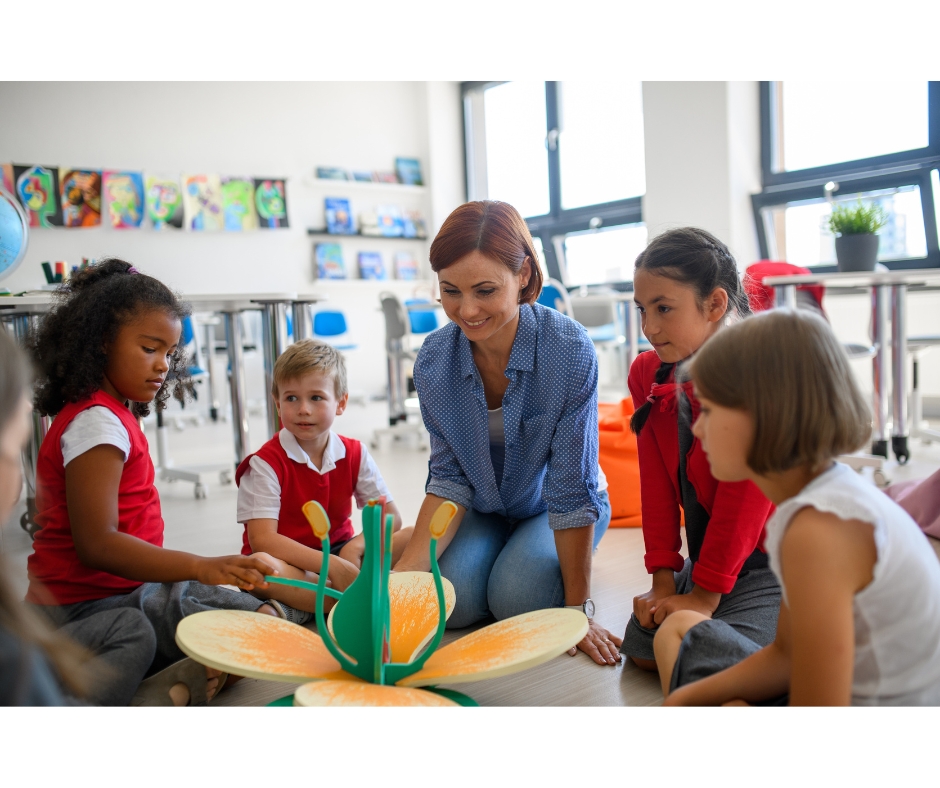
Have you ever seen your child light up when working with a friend to build something, solve a puzzle, or put on a play? That spark comes from interactive learning—the magic of growing together through collaboration, conversation, and shared discovery.
At Global Einstein Institute (GEI), we believe children learn best not in isolation, but in community. Interactive learning is at the heart of our teaching philosophy because it develops not only academic skills but also teamwork, empathy, and the ability to thrive in group settings.
Understanding Interactive Learning
Interactive learning means children actively engage with others to construct knowledge and solve problems. It includes:
-
Collaboration: Working together to achieve shared goals.
-
Communication: Listening, speaking, and negotiating with peers.
-
Peer Learning: Teaching and learning from classmates.
-
Problem-Solving Together: Tackling challenges as a team.
This approach helps children see learning as dynamic, social, and fun.
How Interactive Learning Shows Up in Daily Learning
Children practice interactive learning every day, often without realizing it:
-
In class: Group projects, paired reading, or problem-solving tasks.
-
In play: Building block towers as a team, negotiating rules for games, or creating pretend play scenarios.
-
At home: Cooking with siblings, playing board games, or helping with family tasks.
Parents often notice that children engaged in interactive learning become better at listening, sharing, and resolving conflicts peacefully.
GEI’s Approach to Interactive Learning
At GEI, we cultivate interactive learning by designing experiences that bring children together meaningfully. Our approach includes:
-
Collaborative Activities
-
Group storytelling, science projects, and team challenges build both knowledge and social skills.
-
Children learn to take turns, share ideas, and respect different perspectives.
-
-
Peer-to-Peer Teaching
-
Older or more advanced students sometimes support younger peers, strengthening confidence and empathy.
-
This reinforces learning for both teacher and learner.
-
-
Play-Based Collaboration
-
Interactive games, role-play, and group art projects encourage creativity through teamwork.
-
Children learn cooperation while having fun.
-
-
Integration with Other Domains
-
Interactive learning connects with Language & Communication (expressing ideas), Social & Emotional Development (empathy and conflict resolution), and Life Skills (responsibility in group roles).
-
By embedding interaction across all 10 GEI domains, children discover that learning is richer when shared.
-
Conclusion
Interactive learning is about more than group work—it’s about teaching children the joy of connection, cooperation, and community. At GEI, we prepare children not only to succeed individually but to thrive together. These skills of collaboration and empathy are as vital as academics in shaping tomorrow’s leaders.
At Global Einstein Institute, we believe learning together means growing stronger together. Join us in building a community where every child learns, shares, and shines.