




Introduction
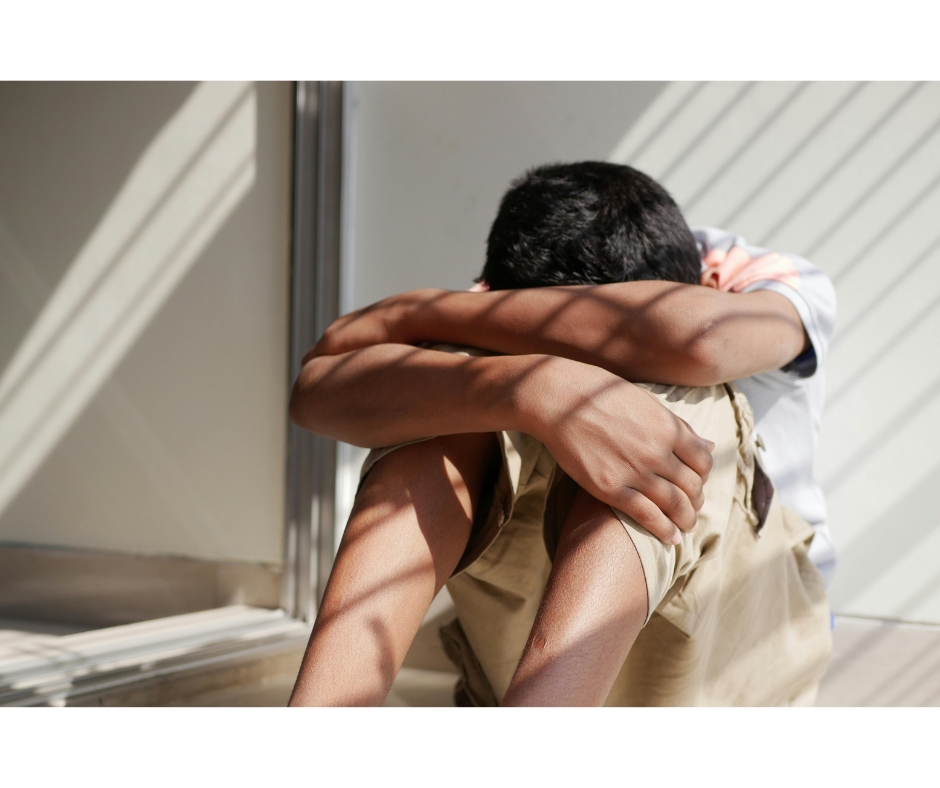
For many children with special needs, everyday life can feel like a series of challenges—understanding social cues, managing emotions, coping with sensory overload, learning at a different pace, or adapting to change. These challenges can sometimes lead to frustration, anxiety, or self-doubt.
That’s why one of the most important skills we can nurture in our children is resilience—the ability to recover, adapt, and grow despite difficulties.
At Global Einstein Institute (GEI), we know that resilience does not look the same for every child, especially for those with ASD, ADHD, Dyslexia, GDD, and other learning or developmental differences.
Resilience is not about being “tough.”
It’s about being supported, understood, and equipped with strategies to try again.
Our mission is simple:
To help every child bounce back, build confidence, and believe in themselves—no matter their challenges.
What Does Resilience Mean for Children with Special Needs?
Children with neurodiverse profiles face different challenges, so resilience may look like:
 Trying again after a sensory meltdown Communicating instead of withdrawing Entering a group activity even when unsure Staying regulated in a new environment Using strategies instead of acting on impulse Accepting help without feeling “less than” Believing “I can improve”
Resilience is progress over perfection.
Why Resilience Matters
Children with strong resilience are more likely to:
Build independence
Cope with stress and change
Develop social connections
Handle academic challenges
Advocate for themselves
Feel proud of their achievements
Grow into confident, capable adults
Without resilience, children may:
Avoid difficult tasks
Fear failure
Become overwhelmed easily
Depend heavily on others
Lose motivation
Resilience gives children the courage to keep going, even when the world feels hard.
How Resilience Develops at Different Ages
Ages 3–6 (Early Years)
Children learn:
How to manage emotions with support
How to try again after mistakes
How to wait their turn or follow routines
How to use words, visuals, or gestures to express needs
Support needed: Predictable routines Visual aids Positive reinforcement Sensory regulation strategies
Ages 7–12 (Primary Years)
Children begin to:
Face academic and social expectations
Solve problems with guidance
Navigate friendships
Build self-awareness
Support needed: Clear structures Step-by-step scaffolding Social stories and role-play Celebrating effort, not perfection
Ages 13–16 (Teens)
Teens encounter:
Identity development
More complex learning tasks
Peer influence and emotions
Increased responsibility
Support needed: Coaching and mentorship Self-regulation strategies Goal setting and reflection Safe space to express emotions
Key Skills That Build Resilience in Special Needs Learners
1. Emotional Regulation
Using coping tools (deep breathing, sensory breaks, calming corners)
2. Flexibility
Learning to handle small changes or transitions
3. Problem-Solving
Finding alternatives when things don’t go as planned
4. Confidence & Self-Belief
Knowing “I am capable” even if I learn differently
5. Communication
Expressing needs instead of shutting down
6. Support Networks
Feeling safe with teachers, peers, and family
7. Growth Mindset
“I can improve with practice and help.”
How GEI Builds Resilience in Every Child
At GEI, resilience is not taught by lectures—it is built through daily experiences, guided by caring educators who understand each child’s needs.
1. Safe, Predictable Environment
Children feel secure with routines, visual schedules, and clear expectations.
2. Emotional Coaching
Teachers help children name their feelings and choose calming strategies.
3. Individualized Scaffolding
Tasks are broken into manageable steps, allowing success without overwhelm.
4. Encouraging Independence
We gradually reduce support so children feel ownership and pride.
5. Positive Reinforcement
We celebrate effort, perseverance, and small victories—every step counts.
6. Social-Emotional Practice
Through role-playing, peer support, and guided interactions.
7. Sensory Regulation Support
Quiet zones, movement breaks, sensory tools reduce overload and stress.
8. Therapeutic Collaboration
Speech, occupational, and behavioral therapists work alongside teachers to reinforce resilience skills consistently.
9. Family Partnership
We involve parents, share strategies, and ensure continuity at home.
Resilience Across GEI’s 10 Domains of Development
Resilience is embedded across all GEI domains:
Communication: Express thoughts and feelings
Social-Emotional: Manage emotions, build self-esteem
Cognitive: Solve problems, try new strategies
Motor Skills: Practice until coordination improves
Adaptive/Life Skills: Learn independence at their own pace
Sensory Integration: Self-regulate with tools and routines
Aesthetic & Creative Expression: Build confidence through art and performance
Interactive Learning: Collaborate and compromise with peers
Play & Exploration: Learn through trial and error
Holistic Growth: Connect academic, emotional, and social development
These domains work together to build children who are emotionally strong, socially capable, and ready to grow.
How Parents Can Build Resilience at Home
Allow safe mistakes — don’t rescue too quickly Praise effort, not just success Use visual schedules and routines Practice calming tools together Teach problem-solving step by step Model resilience: “It was hard, but I didn’t give up!” Be patient — growth takes time
Conclusion
Resilience is not about being perfect.
It’s about trying again, even when things are hard.
For children with special needs, resilience builds confidence, independence, and hope.
At Global Einstein Institute, we do more than teach academics—
We empower children to rise, recover, and shine.
Every step forward is success.
Every effort is celebrated.
Every child can grow stronger—with the right support.
 With patience and guidance, challenges become victories.
 With resilience, every child can thrive.